
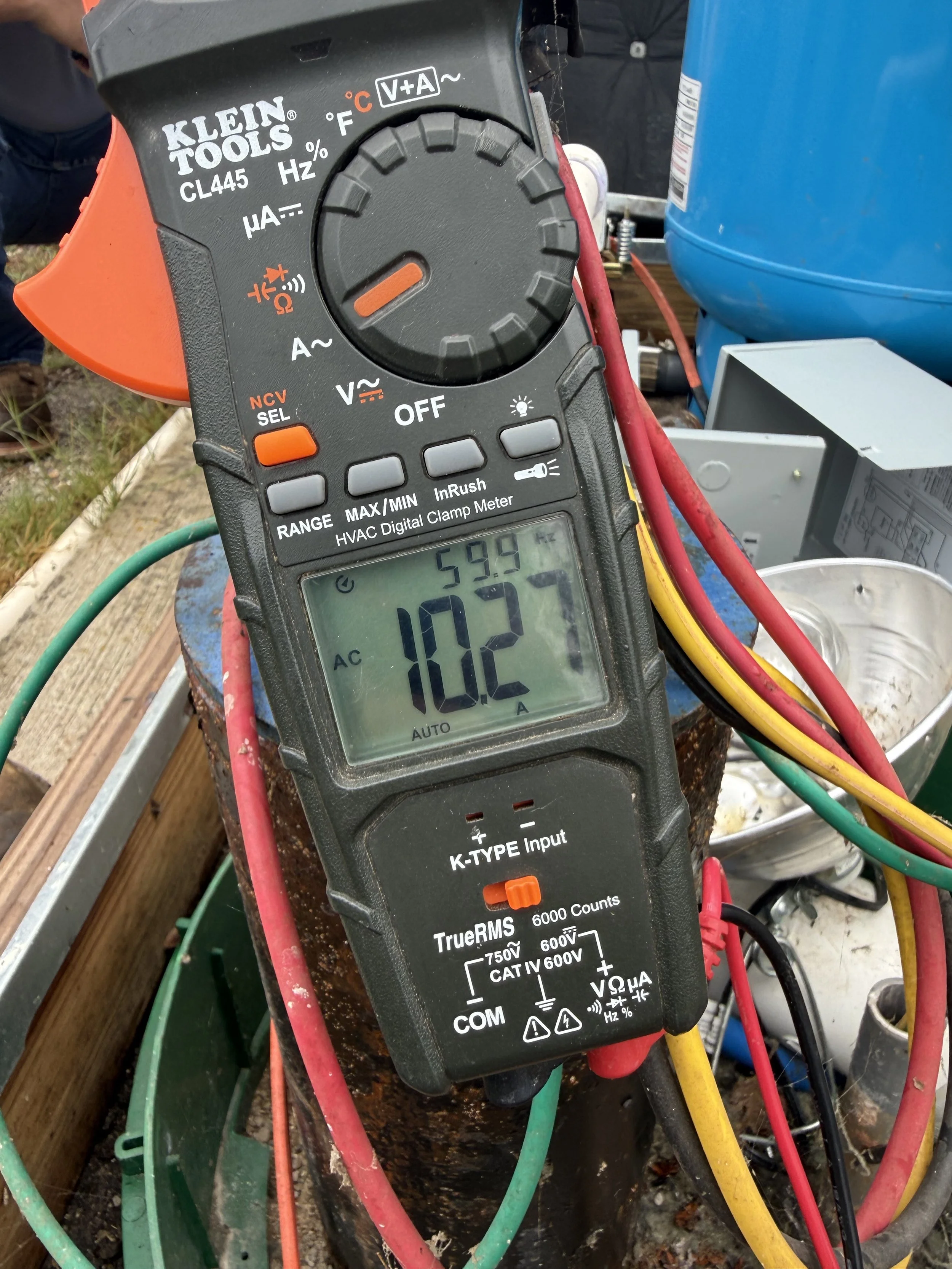
Is Your Water Well Quietly Driving Up Your Electric Bill?
With electric bills climbing, most folks never think about their water well. A well running properly barely uses any power, but a hidden leak, a worn pump, a waterlogged pressure tank, or an electrical short can quietly add to your bill every month. Here's how each one happens, what you can safely check yourself, and when it's time to call a pro.
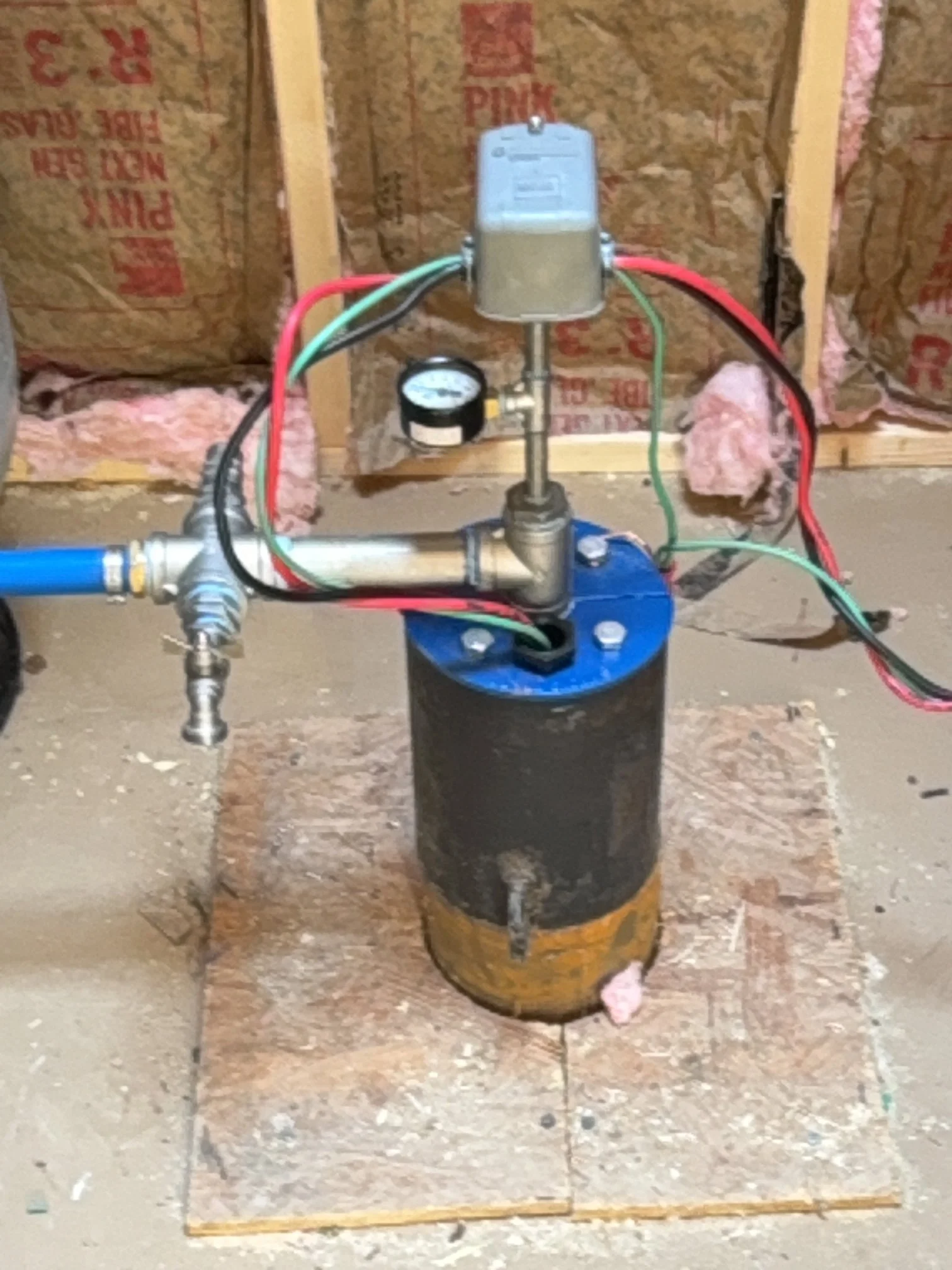
No Water From Your Well?
No water at your well? Here’s what you can safely check yourself, real examples of what causes repeat failures, and when it’s time to call a pro.
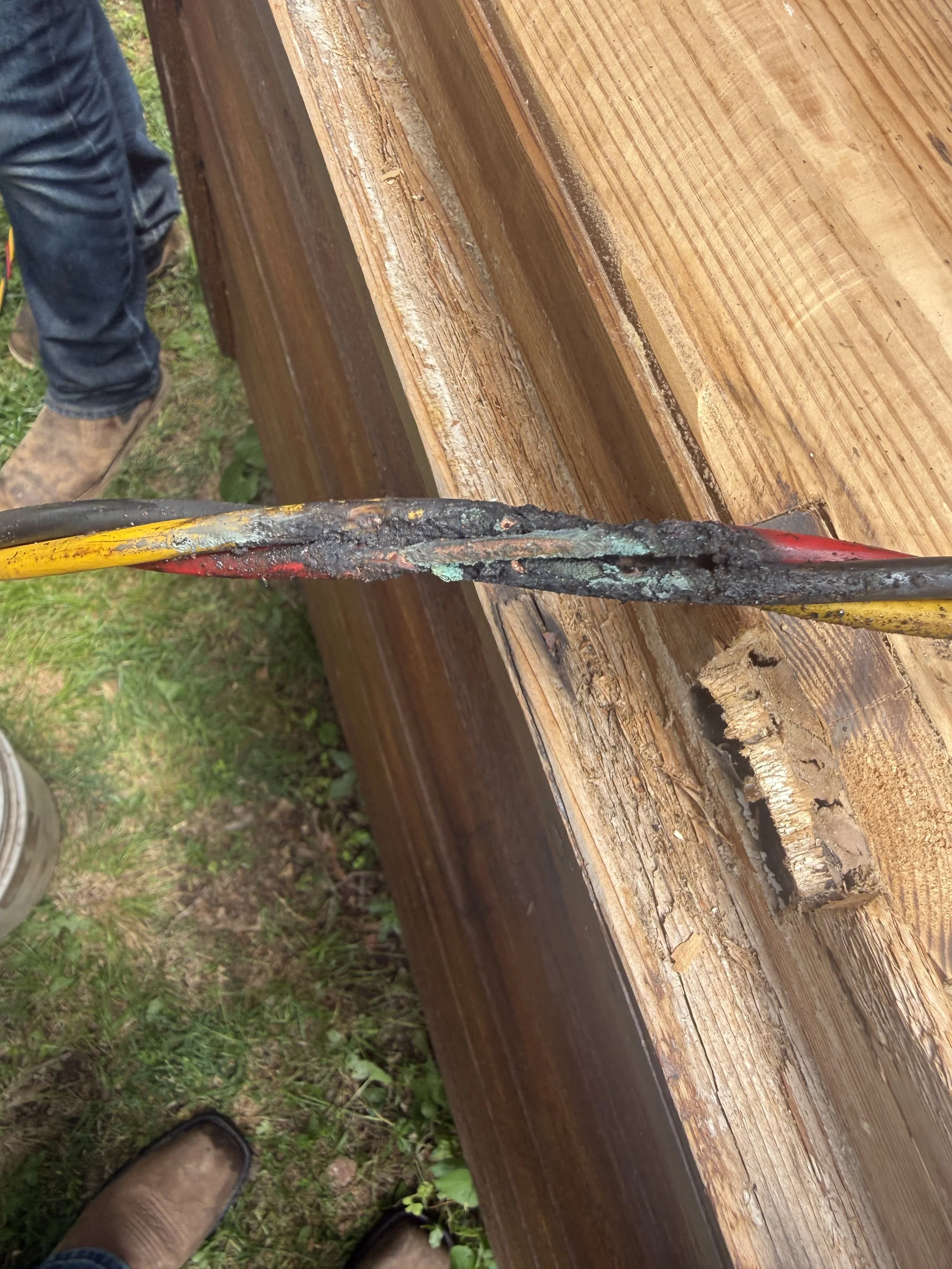
Lightning, Grounding, and Your Well Pump: What Every Homeowner in Southwest Missouri, Northwest Arkansas, and Northeast Oklahoma Should Know
Storm season across Southwest Missouri, Northwest Arkansas, and Northeast Oklahoma brings more than rain and wind — it brings a surge in water well pump failures that we see every single year. Lightning damage to well systems is one of the most common and most misunderstood problems in our industry, and most homeowners are surprised to learn that the surge protectors installed on their systems may not be protecting them the way they expect. After 25 years in this business and extensive testing across our service area, we’ve uncovered why, and found a surprisingly simple solution that we now install as standard on every new well we install.
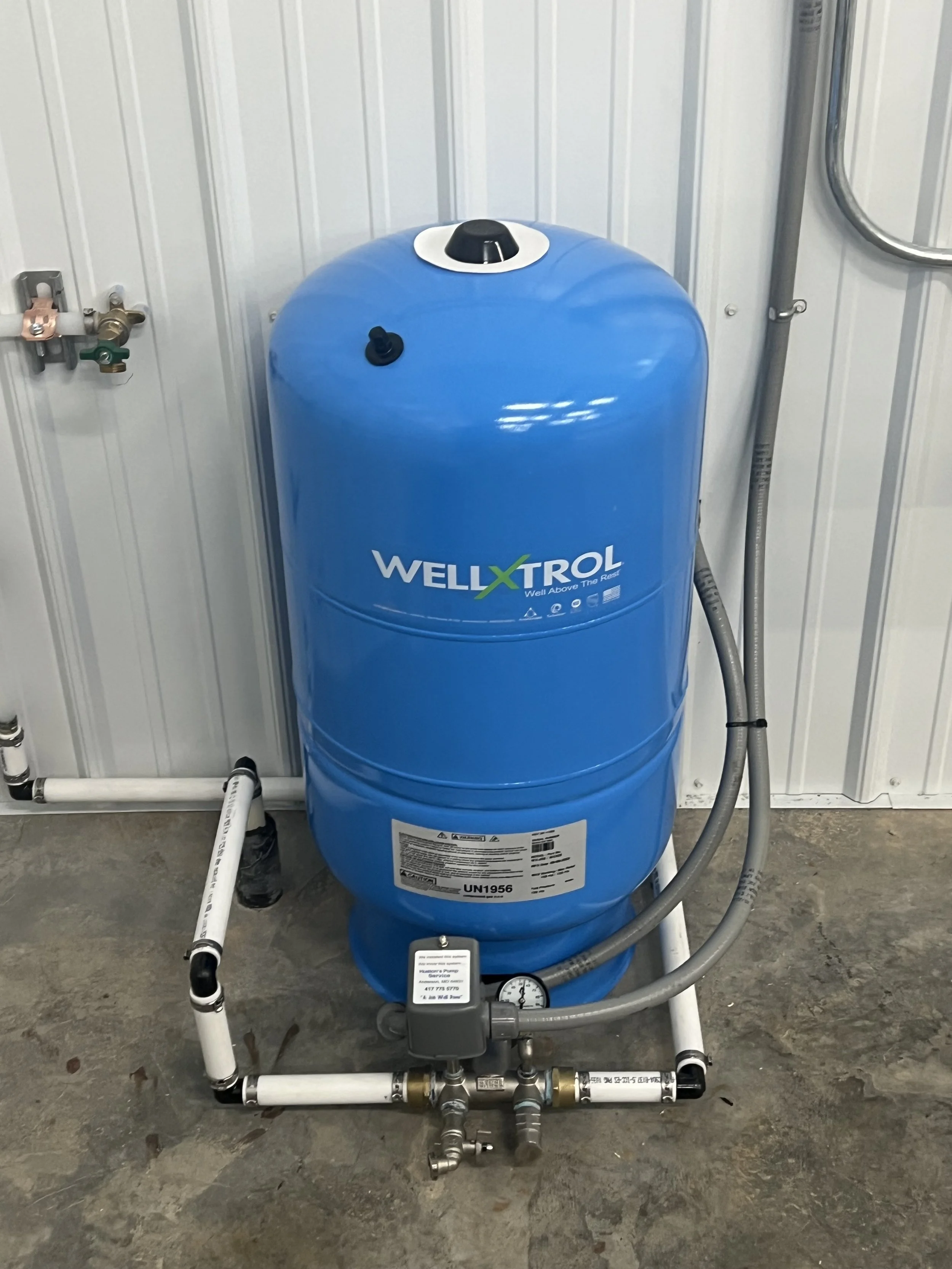
Why the Pressure Tank is One of the Most Important Parts of Your Well System
A pressure tank does far more than simply store water. It helps protect the entire well system by reducing pump cycling, stabilizing pressure, and minimizing stress on electrical components. Learn how pressure tanks work, how to properly check air charge, and why a waterlogged tank can lead to costly failures including burned pressure switches, damaged wiring, and premature well pump failure.
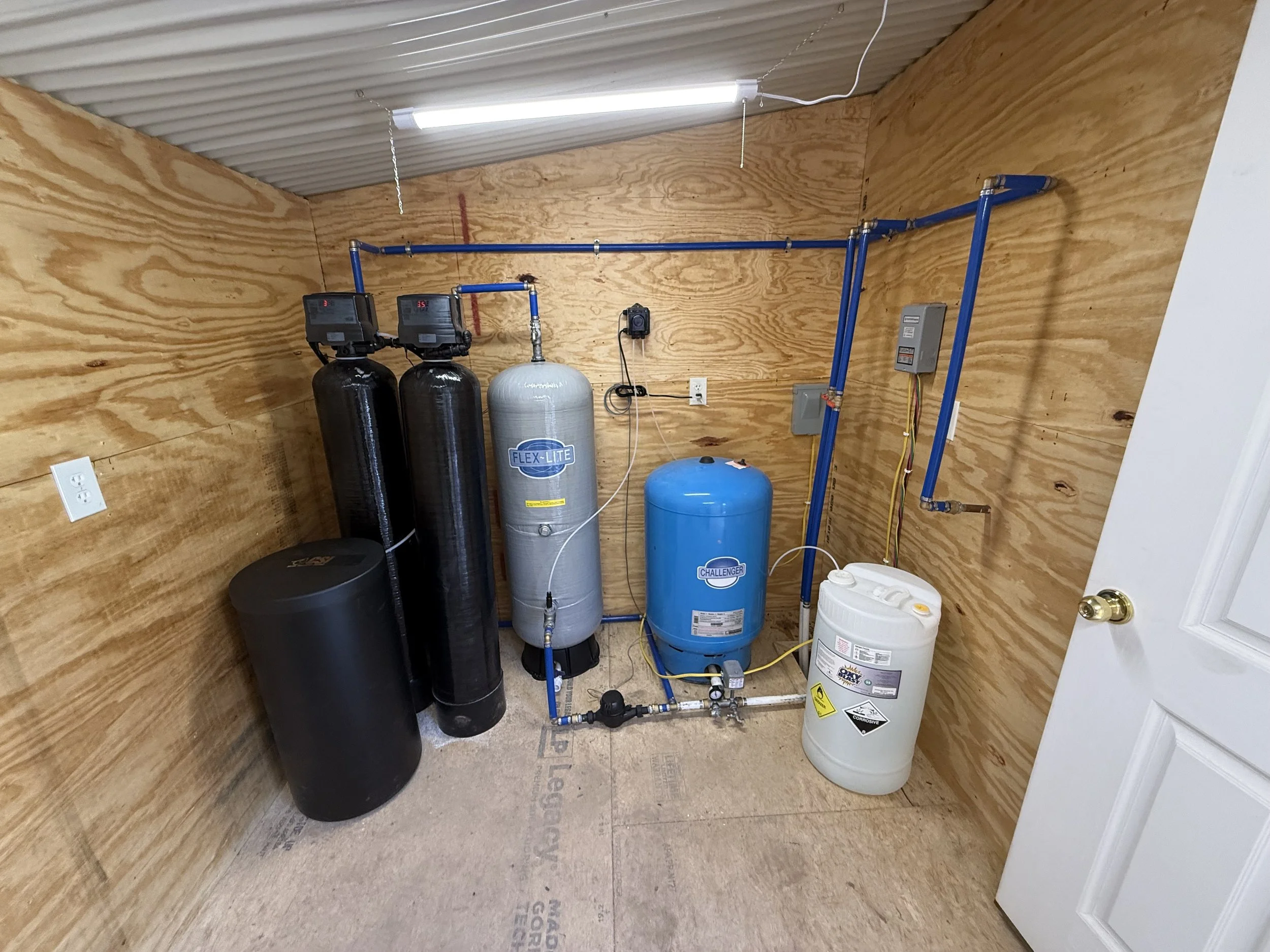
Why water systems advice doesn’t translate from one place to another
While visiting my daughter in Iowa, I was reminded how dramatically water wells and treatment challenges can change from one region to another. In this article, I share what I’ve learned comparing systems in Iowa with what we see every day across southwest Missouri, northwest Arkansas, and northeast Oklahoma—and why local experience still matters more than anything you can find online.
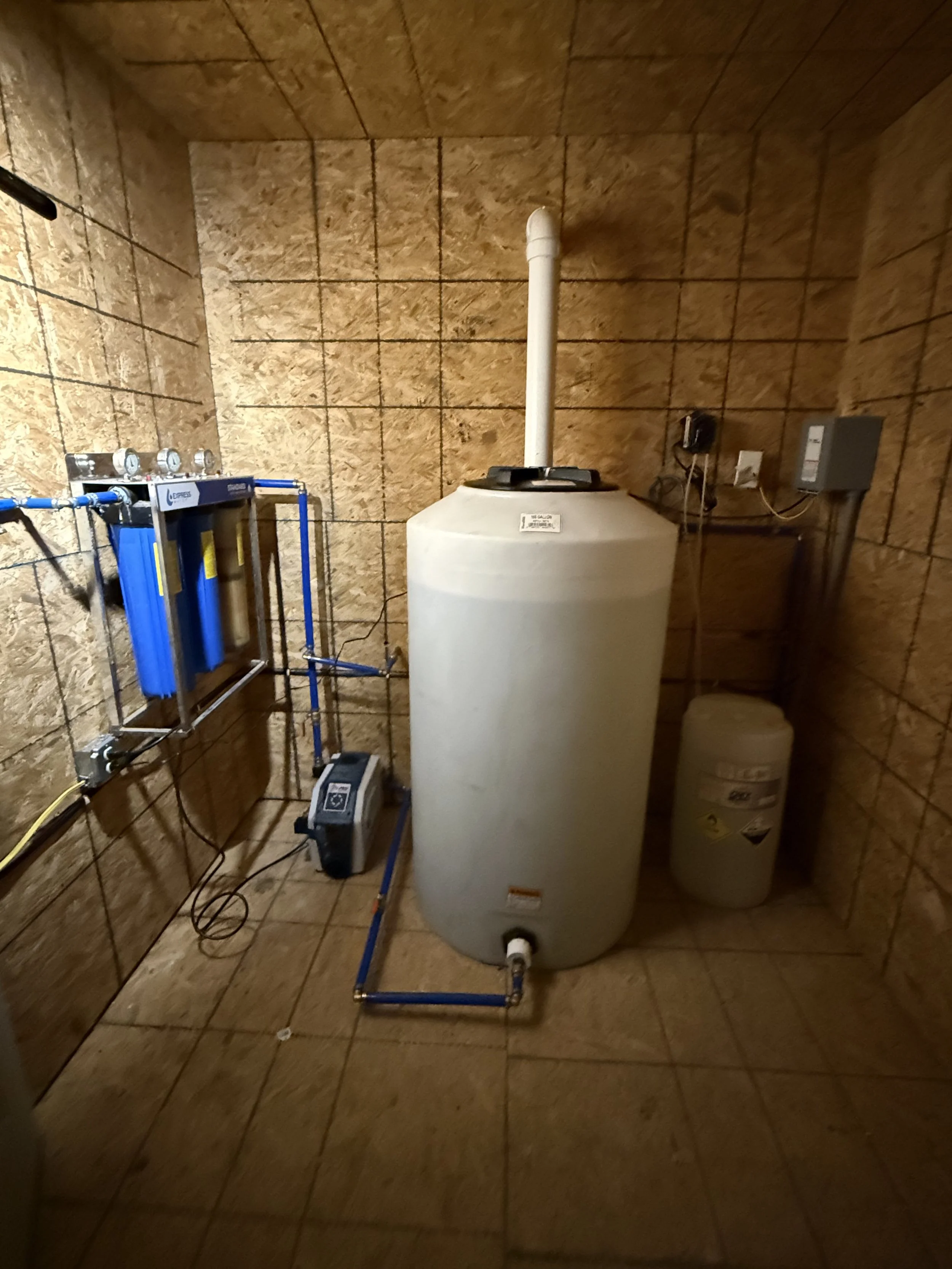
Why Flow Rate Matters More Than Brand or Media in a Water Treatment System
Flow rate and system sizing are some of the most overlooked factors in whole-home water treatment. In this article, we explain why proper system design, contact time, and real-world demand matter more than simply choosing a filter or brand.
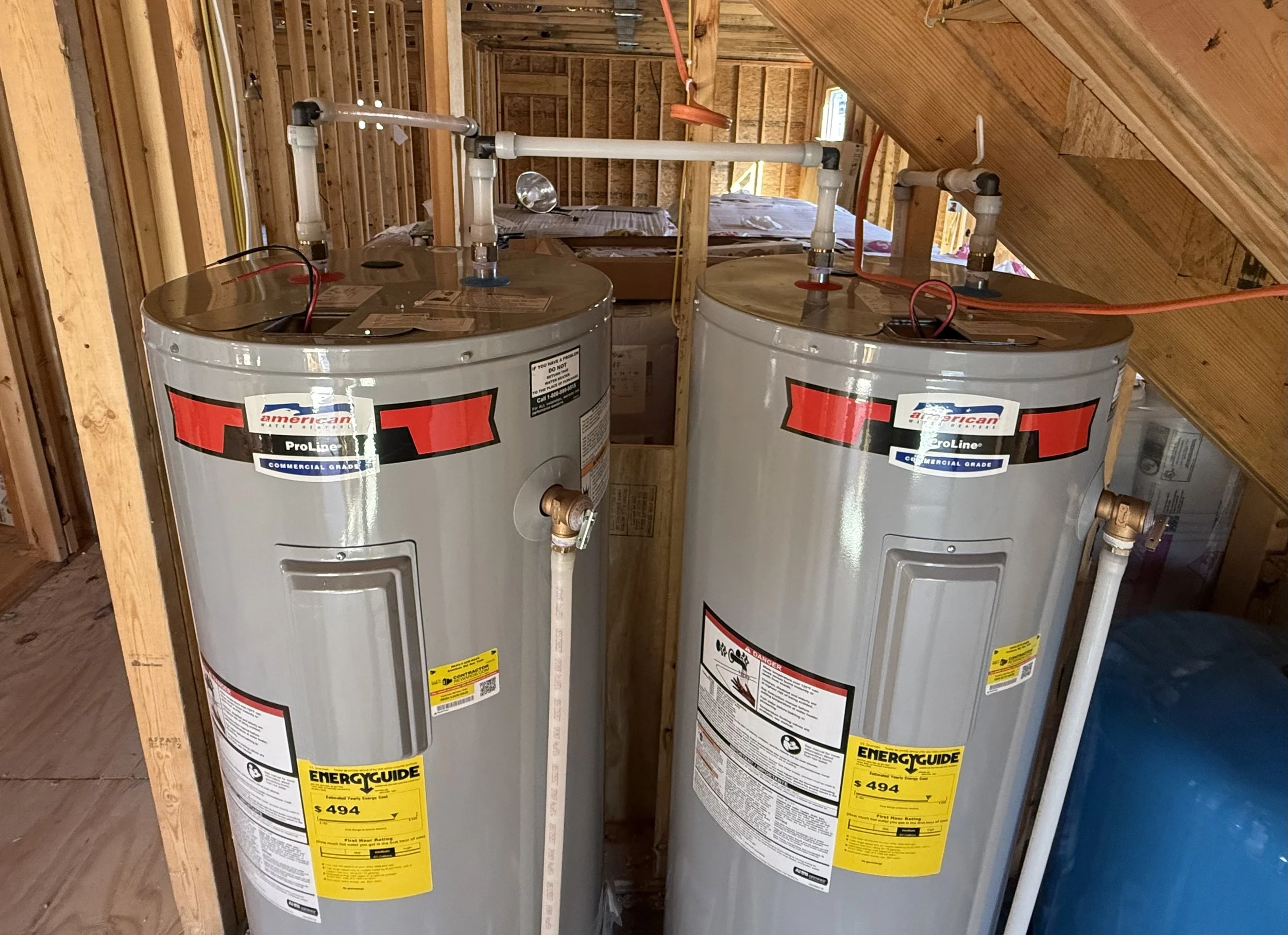
Why Sulfur Treatment Fails When the Real Problem Is the Water Heater
If sulfur odor only appears in hot water, filtration and treatment systems often won’t solve the problem. In many homes, the water heater itself is where the odor is being created — and understanding that difference can prevent unnecessary equipment and expense.
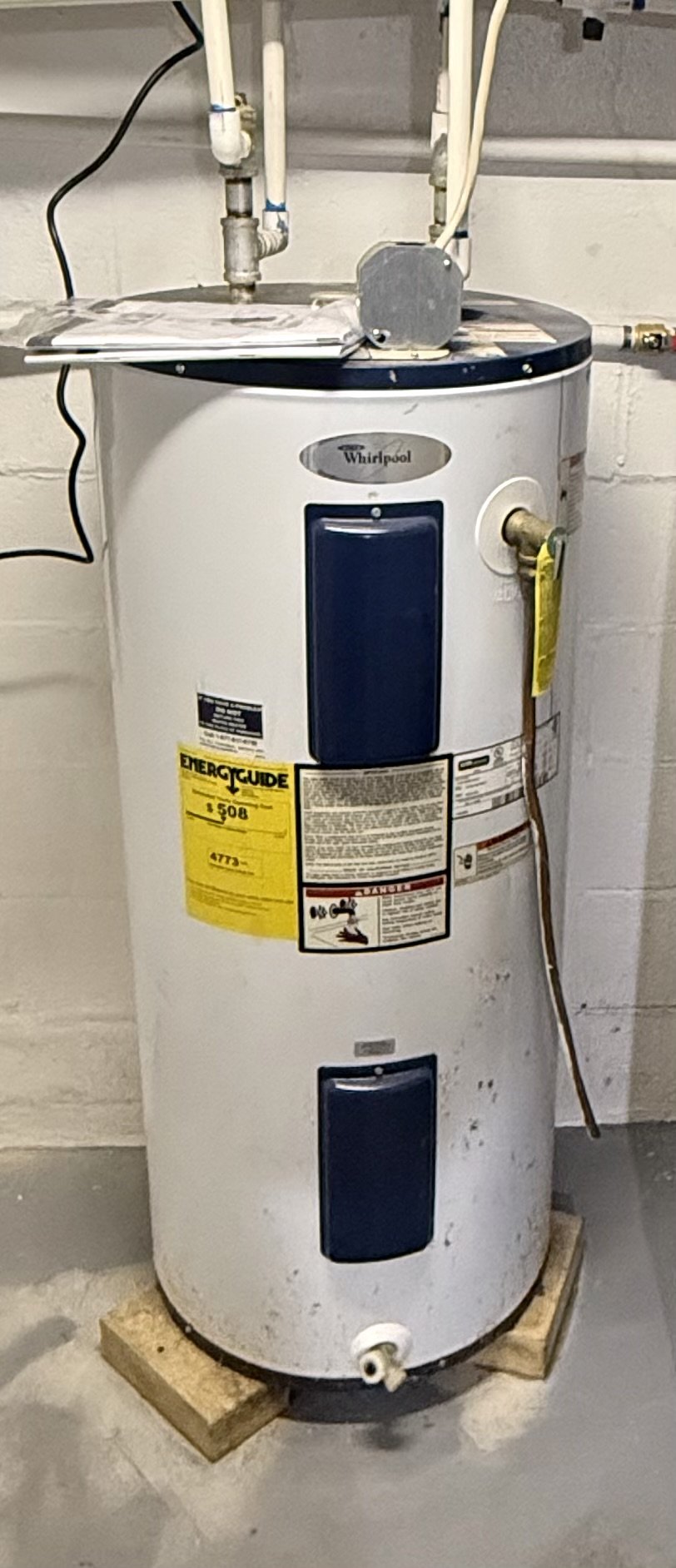
Sulfur Smell in Well Water: What It Is, What It Isn’t, and When You Don’t Need a Filter
Sulfur smells in well water are often misunderstood and misdiagnosed. This article explains what hydrogen sulfide actually is, why many different water problems get labeled “sulfur,” and when the issue can be caused by the water heater rather than the water itself.